
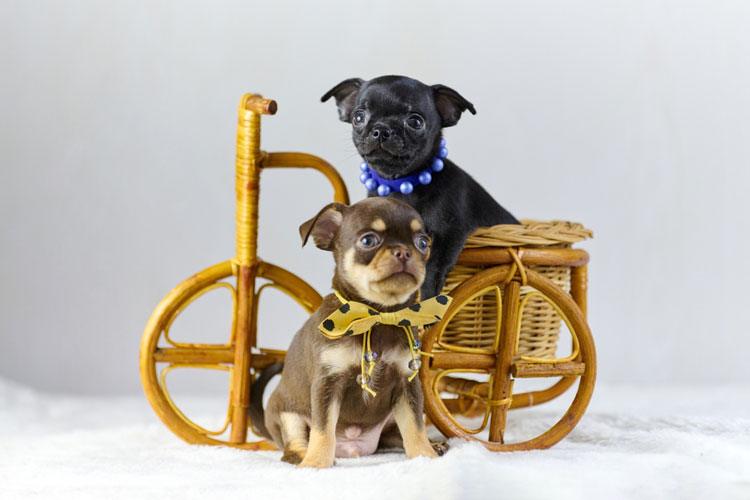
Choosing a tiny companion is about more than appearance alone. Learning how to choose a teacup puppy involves understanding temperament, daily care needs, activity levels, household dynamics, and long-term commitment. Teacup puppies are known for their adorable size and affectionate personalities, but each puppy has unique behavioral traits that may or may not fit your lifestyle. Whether you live in a spacious home, a downtown apartment, or have a busy family schedule, selecting the right puppy can create a healthier and happier experience for both you and your new companion.
Why Learning How to Choose a Teacup Puppy Matters
Teacup puppies may look similar at first glance, but their personalities and energy levels can vary significantly. Some are highly social and energetic, while others are calm, reserved, and better suited for quieter homes. Understanding how to choose a teacup puppy properly helps reduce stress, behavioral problems, and mismatched expectations.
A puppy that matches your lifestyle is more likely to adapt comfortably to your routine, family environment, and living space. This is especially important for smaller breeds that often require additional supervision and specialized care.
If you are researching puppy care and preparation, visiting resources like Puppy Therapy LLC can help you better understand available breeds and proper puppy selection guidance.
Evaluate Your Daily Lifestyle Before Choosing
Before bringing home a teacup puppy, it is important to evaluate your schedule and living habits honestly. Tiny breeds thrive in stable environments where they receive attention, companionship, and consistency.
Busy Professionals and Small Apartments
Individuals with demanding schedules may do better with calmer teacup breeds that adapt well to quieter environments. Puppies that are overly energetic may become anxious or destructive if left alone for long periods.
Apartment living can work extremely well for teacup puppies because of their small size, but noise sensitivity and barking tendencies should also be considered.
Families With Children
Families with young children should carefully choose a puppy with a gentle temperament. Teacup puppies are delicate and can easily become injured during rough handling or accidental falls.
Active vs Relaxed Owners
Some teacup puppies enjoy active playtime and social interaction, while others prefer cuddling and shorter activity sessions. Matching the puppy’s energy level to your own lifestyle is one of the most important parts of understanding how to choose a teacup puppy successfully.
Understanding Personality Traits in Teacup Puppies
Temperament plays a major role in selecting the right puppy. A puppy’s personality often develops early and can provide clues about future behavior.
- Confident puppies are often curious, playful, and social around new people.
- Reserved puppies may prefer calm households and slower introductions.
- Highly affectionate puppies usually enjoy constant companionship and lap time.
- Independent personalities may adapt better to owners with busier schedules.
Observing how a puppy reacts to touch, sounds, new environments, and people can reveal valuable information about compatibility.
For additional guidance on puppy personalities and breed characteristics, you may also explore helpful information through Puppy Therapy LLC resources.
How Home Environment Affects Your Choice
Your living environment directly impacts the comfort and safety of a teacup puppy. Because of their extremely small size, these puppies require careful supervision and secure surroundings.
Safe Indoor Spaces
Hard flooring, steep stairs, balconies, and cluttered walkways can increase injury risks. Puppy-proofing your home before arrival is essential.
Noise Levels and Activity
Some teacup puppies are sensitive to loud sounds and chaotic environments. Homes with constant activity, large gatherings, or multiple pets may require extra adjustment time.
Other Household Pets
Larger dogs may unintentionally injure smaller puppies during normal play. Introducing teacup puppies slowly and carefully is critical for long-term harmony.
Owners interested in preparing their homes properly can review additional puppy preparation information at this puppy care resource.
Health Considerations When Deciding How to Choose a Teacup Puppy
Health should always be a priority over appearance. Responsible puppy selection includes reviewing health records, breeder transparency, and veterinary care history.
Questions You Should Ask
When learning how to choose a teacup puppy, ask important questions regarding:
- Vaccination schedules and veterinary examinations
- Parental health history and genetic conditions
- Feeding schedules and nutritional requirements
- Socialization exposure and behavioral development
Healthy teacup puppies should appear alert, clean, active, and responsive. Clear eyes, healthy coats, and comfortable movement are positive indicators.
Common Mistakes People Make When Choosing a Teacup Puppy
Many buyers focus only on physical appearance without considering long-term compatibility. This often leads to frustration for both the owner and the puppy.
Choosing Based Only on Size
While tiny size is appealing, personality and care needs matter far more in the long run.
Ignoring Temperament Compatibility
A high-energy puppy in a low-activity household can create stress and behavioral challenges.
Failing to Research Care Requirements
Teacup puppies often require specialized feeding schedules, regular supervision, and preventative healthcare.
Training and Socialization Expectations
Early socialization is essential for helping teacup puppies grow into confident adult dogs. Positive reinforcement training, gentle handling, and structured routines help reduce anxiety and behavioral issues.
Short training sessions tend to work best due to the puppy’s attention span and energy levels. Consistency is far more effective than harsh correction methods.
Socialization should include exposure to:
Positive Early Experiences
New people, sounds, surfaces, and environments help puppies become more adaptable and emotionally balanced.
Owners searching for educational puppy resources may find useful information by exploring Puppy Therapy LLC’s website for additional care guidance and breed information.
Finding the Right Emotional Connection
One of the most overlooked aspects of how to choose a teacup puppy is emotional compatibility. Sometimes the right puppy naturally bonds with you through calm interaction, eye contact, curiosity, or affection.
While research and preparation are essential, emotional connection also plays an important role in choosing the best lifelong companion.
Why Puppy Therapy LLC Helps Simplify the Process
Finding the right teacup puppy requires experience, education, and careful matching. Puppy Therapy LLC understands that every owner has different lifestyle needs, household environments, and expectations when selecting a companion puppy.
Their team helps guide individuals and families through the process of understanding how to choose a teacup puppy based on temperament, personality compatibility, lifestyle fit, and responsible puppy care practices. With a focus on healthy, socialized, and well-cared-for puppies, Puppy Therapy LLC provides support designed to help owners make informed and confident decisions for long-term companionship.
Frequently Asked Questions
What should I look for when selecting a teacup puppy?
Focus on temperament, health history, social behavior, activity level, and compatibility with your lifestyle instead of choosing based only on appearance.
Are teacup puppies good for apartment living?
Yes, many teacup puppies adapt very well to apartments due to their small size, but proper exercise, socialization, and attention are still necessary.
How do I know if a teacup puppy is healthy?
Healthy puppies are alert, active, clean, and responsive. Veterinary records, vaccinations, and breeder transparency are also important indicators.
What is the best age to bring home a teacup puppy?
Most experts recommend waiting until the puppy is fully weaned, socially developed, and cleared by a veterinarian before transitioning to a new home.


 Add image