

A Complete Guide for First-Time and Experienced Dog Owners
Choosing the right puppy for your family is an exciting decision, but it also comes with long-term responsibility. For many households, toy breed puppies offer the perfect balance of companionship, adaptability, and manageable size. However, not every toy breed is the right fit for every family.
This guide will walk you through everything you need to consider when selecting a toy breed puppy—from temperament and lifestyle compatibility to health, training, and emotional benefits—so you can make a confident, informed choice that supports a happy home environment.
What Is a Toy Breed Puppy?
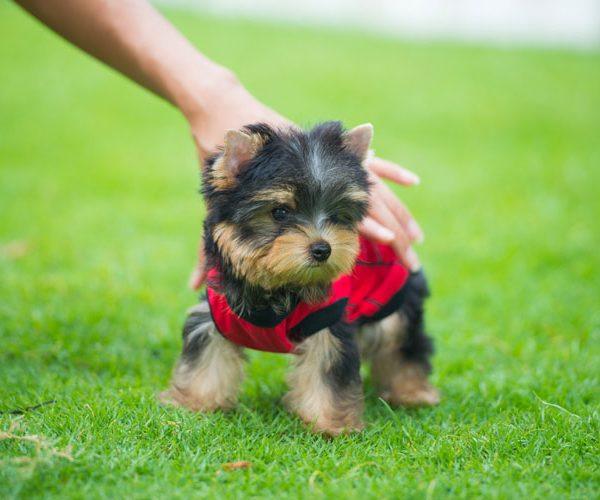
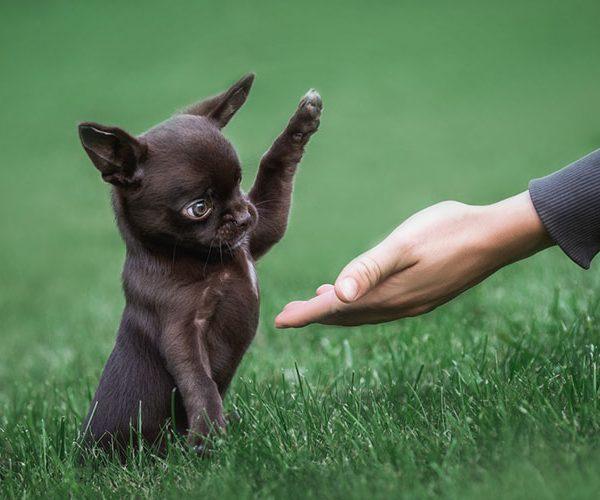
Toy breed puppies are small dogs typically weighing 4–12 pounds when fully grown. While compact in size, they are often big in personality and affection. These breeds were historically bred for companionship, making them ideal for families seeking emotional connection and bonding.
Common toy breed characteristics include:
-
Strong attachment to owners
-
High emotional intelligence
-
Suitability for apartments and smaller homes
-
Lower exercise requirements compared to larger breeds
Because of these traits, toy breeds are frequently associated with emotional wellness and stress reduction, which aligns closely with the mission of Puppy Therapy.
Why Toy Breed Puppies Are Ideal for Many Families
Toy breed puppies are especially appealing to families looking for:
-
A dog that integrates easily into daily routines
-
A breed suitable for children when properly supervised
-
A companion that thrives on closeness and affection
Their small size makes them easier to travel with, carry, and manage, while their loyal nature fosters strong emotional bonds—an important factor for families interested in therapeutic companionship.
Consider Your Family’s Lifestyle First
Before choosing a specific toy breed, evaluate your household’s lifestyle honestly.
Key questions to ask:
-
How much time can we dedicate to daily interaction?
-
Are there young children or seniors in the home?
-
Do we work from home or spend long hours away?
-
Are we looking for a calm companion or a playful one?
Some toy breeds are more independent, while others require near-constant human interaction. Matching temperament to lifestyle is critical to long-term success.
Temperament Matters More Than Size
Each toy breed has distinct personality traits. While size may be similar, behavior can vary significantly.
Examples of temperament differences:
-
Gentle and calm breeds are ideal for quieter households
-
Playful and energetic breeds suit active families
-
Emotionally intuitive breeds excel in therapeutic settings
If your goal includes emotional support or stress relief, selecting a breed known for empathy and bonding is essential—one of the core principles behind Puppy Therapy.
Toy Breeds and Children: What You Should Know
Toy breed puppies can be excellent family pets, but they require gentle handling and supervision. Their small stature makes them more vulnerable to accidental injury.
Best practices include:
-
Teaching children respectful interaction
-
Avoiding overly fragile breeds for very young kids
-
Encouraging calm play instead of roughhousing
When introduced properly, toy breeds often form strong, loving bonds with children and become trusted companions.
Health, Longevity, and Responsible Selection
Toy breeds generally enjoy long lifespans, often 12–18 years, making them a long-term family commitment.
When choosing a puppy:
-
Work with reputable, ethical sources
-
Ask about genetic health screening
-
Understand breed-specific health considerations
A healthy start leads to better emotional and physical outcomes, especially for families seeking the therapeutic benefits of puppy companionship.
Training and Socialization Are Essential
Despite their size, toy breed puppies need consistent training and socialization.
Training benefits include:
-
Reduced anxiety and excessive barking
-
Improved confidence in new environments
-
Better interaction with children and other pets
Positive reinforcement works especially well with toy breeds, strengthening trust and emotional connection—key components of puppy-centered therapy approaches.
Emotional Benefits of Toy Breed Puppies
Toy breed puppies are widely recognized for their emotional impact. Their closeness, attentiveness, and affection make them ideal for:
-
Stress relief
-
Emotional grounding
-
Companionship for individuals and families
Many families choose toy breeds specifically for their calming presence and intuitive nature, which aligns with the growing focus on puppy-based emotional wellness.
Making the Final Decision
The right toy breed puppy is one that fits your lifestyle, emotional needs, and household dynamics. Size alone should never be the deciding factor. Instead, focus on temperament, care requirements, and the kind of relationship you want to build.
A thoughtful selection leads to a happier puppy—and a happier family.
Frequently Asked Questions (FAQs)
1. Are toy breed puppies good for first-time dog owners?
Yes. Many toy breeds are adaptable and affectionate, making them suitable for first-time owners when properly trained.
2. Do toy breed puppies require a lot of exercise?
They need daily activity, but typically less than larger breeds. Short walks and indoor play are usually sufficient.
3. Are toy breeds suitable for emotional support or therapy?
Absolutely. Many toy breeds are emotionally intuitive and thrive on close human connection, making them ideal for therapeutic companionship.
4. How long do toy breed dogs usually live?
Most toy breeds have long lifespans, often ranging from 12 to 18 years with proper care.

 Add image